
Yuzu Sensory Map
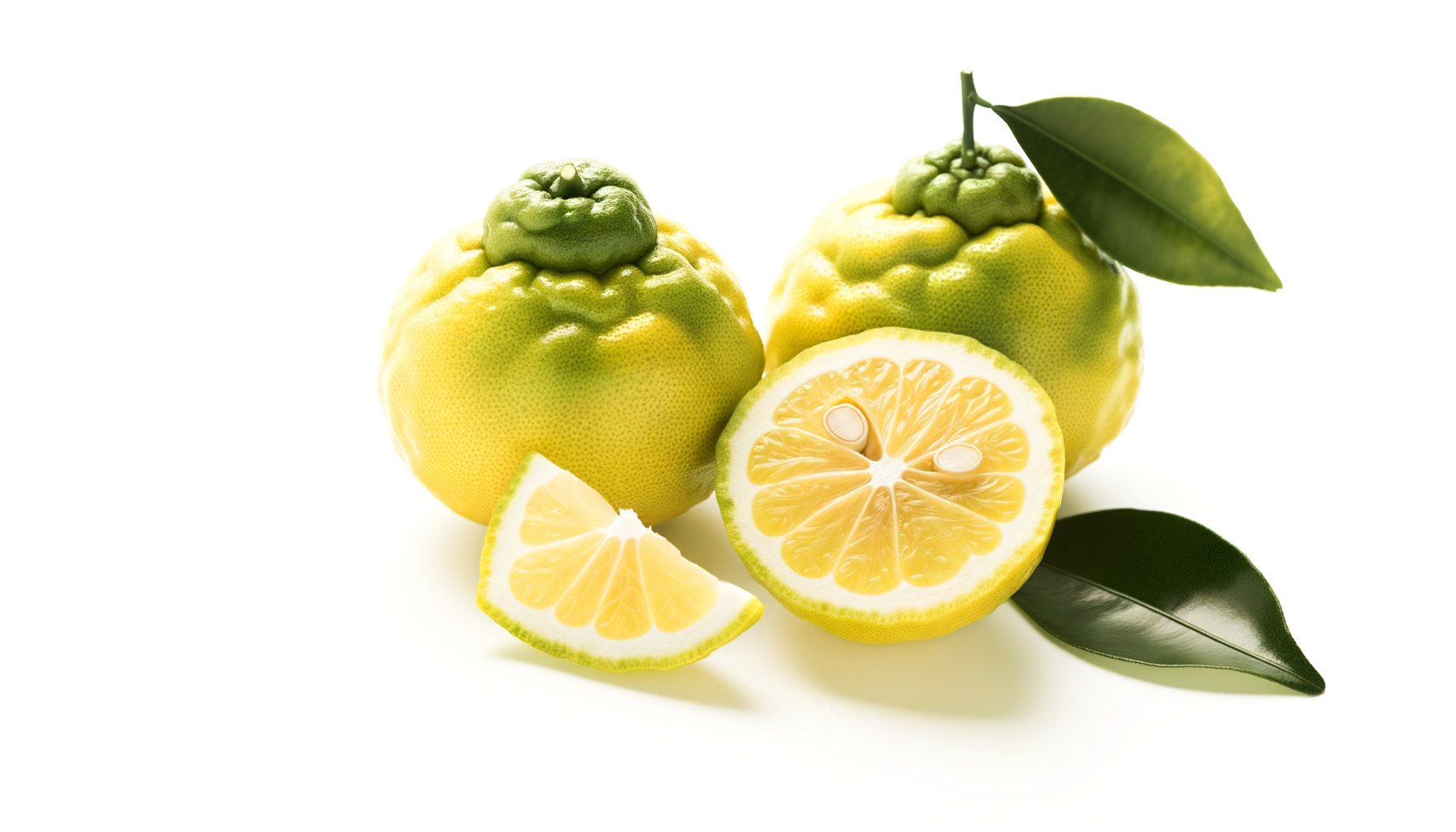
Yuzu
Citrus junos
Sensory Profile
Tastes
Basic flavor profiles
Aromas
Scent characteristics
Stimuli
Sensory sensations
Textures
Physical properties
About Yuzu
Yuzu is a citrus fruit renowned for its unique flavor, which is a harmonious blend of tartness and floral notes, reminiscent of a cross between grapefruit and mandarin orange. Its aromatic zest carries a bright, tangy essence that elevates dishes with a refreshing citrus burst. Yuzu is a versatile ingredient in both traditional and modern cuisines. In Japanese cooking, it is commonly used to enhance sauces, dressings, and marinades, particularly in ponzu sauce, which combines yuzu juice with soy sauce. The zest is often utilized to infuse flavor into desserts, cocktails, and even savory dishes like grilled fish and salads. Beyond Japan, yuzu has gained popularity in fusion cuisine, appearing in gourmet dishes, artisanal beverages, and innovative desserts worldwide. Yuzu is believed to have originated in East Asia, specifically in the mountainous regions of China, before being introduced to Japan and Korea over a thousand years ago. It thrives in temperate climates and is cultivated primarily in Japan, where it holds cultural significance and is celebrated during the winter solstice. Yuzu is characterized by its bumpy, yellow-green skin and small size, typically resembling a small grapefruit. Its juice is highly aromatic and contains a higher acidity level than many other citrus fruits, making it a prized ingredient in culinary applications. The fruit is also valued for its essential
Associated health effects(10)
- Cardiovascular Protection
- Antioxidant
- Allergic Reactions
- Skin Health
- Interaction with Medications
- Bone Health
- Cholesterol Management
- Stress Relief
- Digestive Aid
- Anti-inflammatory
Nutrition per 100 g(4)
- Energy: 40 kcal
- Protein: 1 g
- Fat: 0.2 g
- Fiber: 1 g