
Zedoary Sensory Map
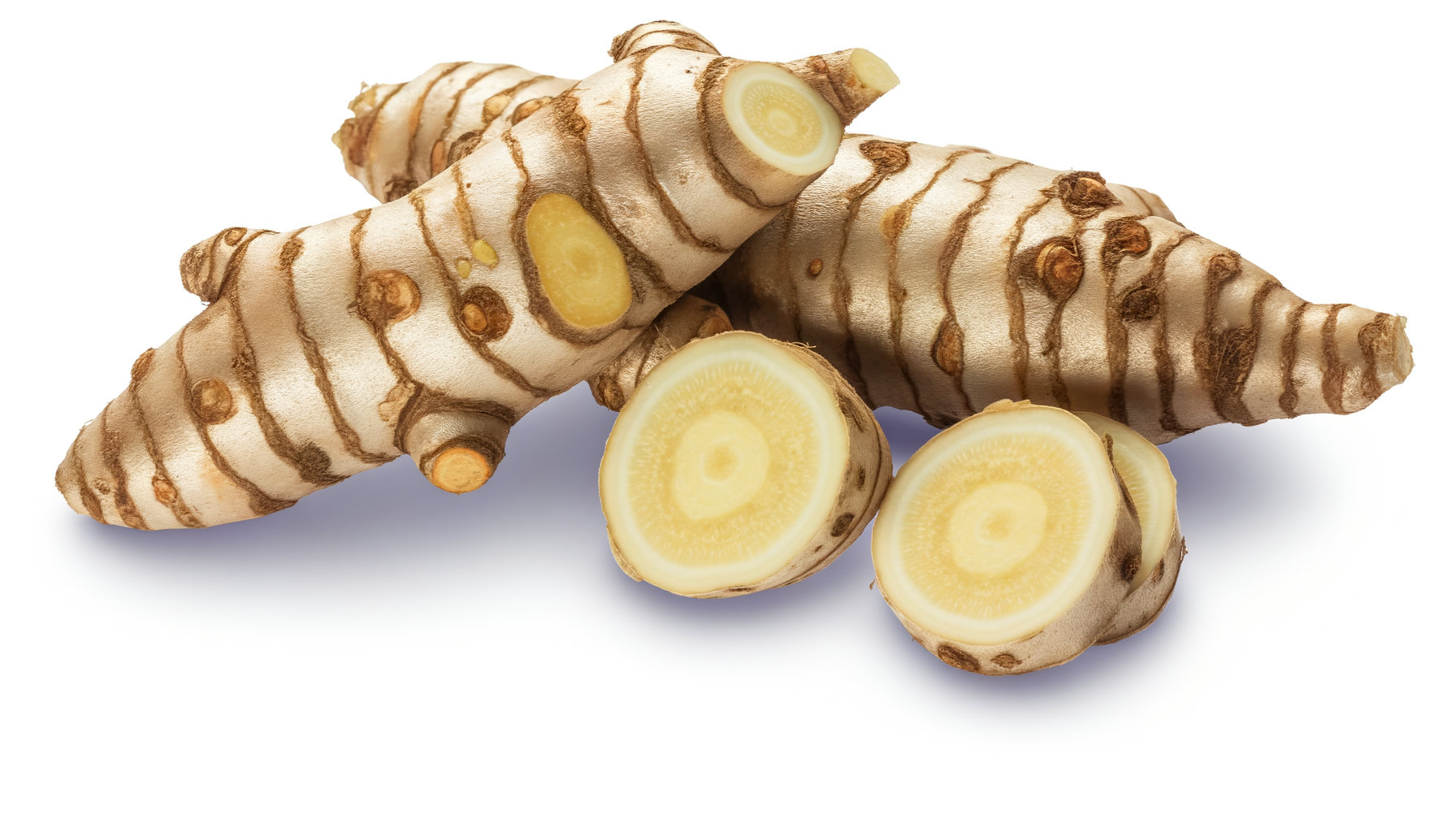
Zedoary
Curcuma zedoaria
Sensory Profile
Tastes
Basic flavor profiles
Aromas
Scent characteristics
Stimuli
Sensory sensations
Textures
Physical properties
About Zedoary
Zedoary, often referred to as white turmeric, possesses a unique flavor that is both earthy and slightly bitter, with hints of citrus and ginger. Its aroma is fragrant and somewhat reminiscent of its more well-known relative, turmeric, but with a sharper, more pungent edge. Zedoary is primarily used in Asian cuisines, particularly in Indian, Indonesian, and Thai dishes. It can be used fresh, dried, or powdered. In cooking, it is often incorporated into curries, soups, and rice dishes, imparting a distinctive flavor and vibrant color. Additionally, zedoary is utilized in traditional medicine and as a flavoring agent in beverages and herbal teas. Native to Southeast Asia, zedoary is cultivated in countries such as India, Indonesia, and Malaysia. It thrives in tropical climates and is typically grown in well-drained, fertile soils. The spice has a long history of use in both culinary and medicinal practices, dating back centuries. Zedoary is characterized by its pale yellow to white rhizome, which resembles ginger but is less fibrous. The plant features large, green leaves and produces attractive yellow flowers. Its medicinal properties are well-regarded, often attributed to its anti-inflammatory and antioxidant effects. Zedoary is less common than turmeric, making it a unique addition to spice collections and recipes.
Associated health effects(7)
- Antioxidant
- Zedoary Extract Toxicity
- Cholesterol Management
- Gastroprotection
- Digestive Aid
- Anti-inflammatory
- Carminative
Nutrition per 100 g(4)
- Energy: 106 kcal
- Protein: 3 g
- Fat: 1.5 g
- Fiber: 8 g