
Zucchini Sensory Map
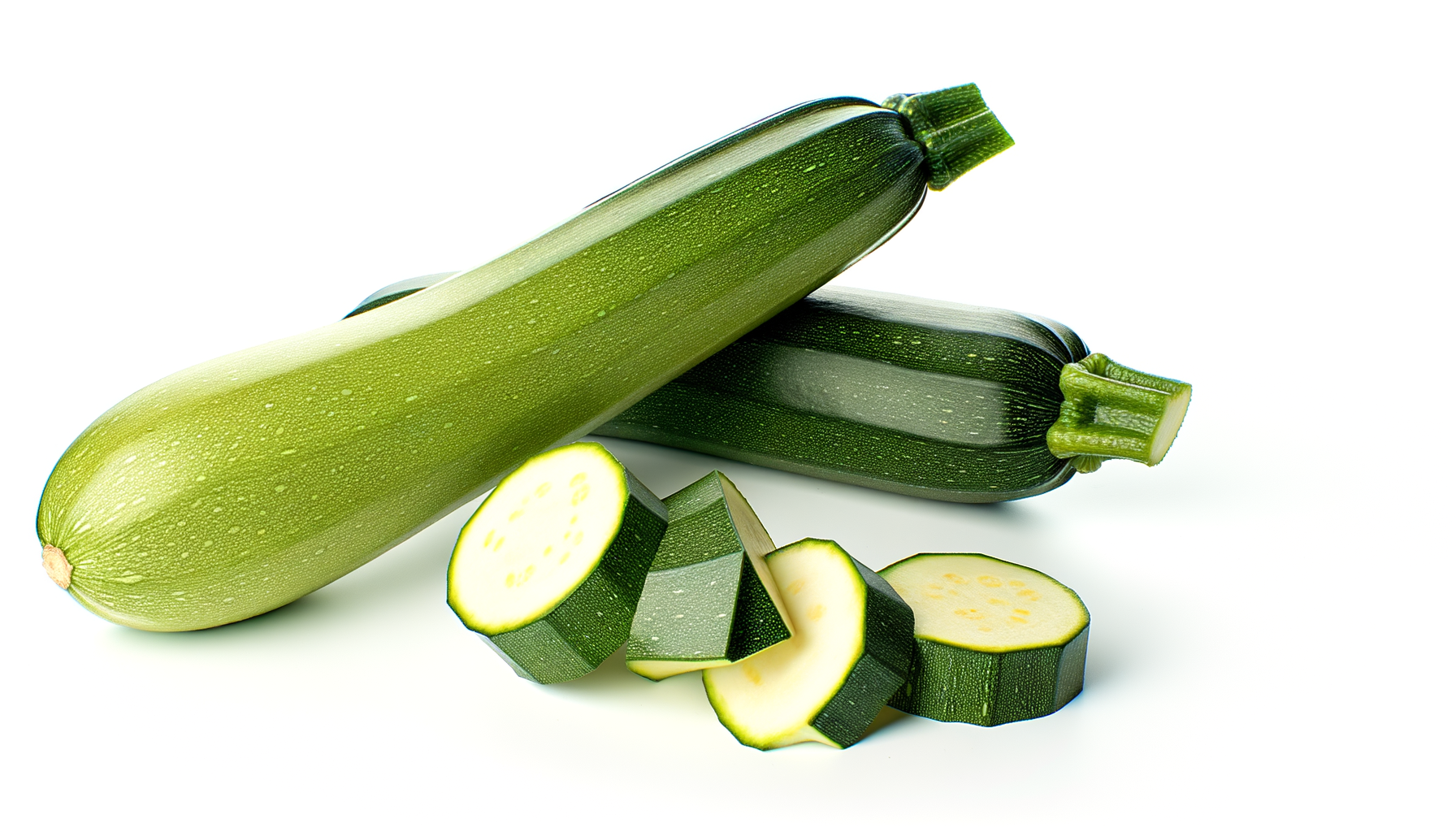
Zucchini
Cucurbita pepo
Sensory Profile
Tastes
Basic flavor profiles
Aromas
Scent characteristics
Stimuli
Sensory sensations
Textures
Physical properties
About Zucchini
Zucchini, also known as courgette, boasts a mild, subtly sweet flavor with a delicate, slightly grassy undertone. Its flesh is tender and juicy, providing a refreshing contrast to its thin, edible skin. When cooked, zucchini develops a soft texture while retaining a hint of crunch, making it versatile in various culinary applications. Zucchini is a staple in Mediterranean cuisine and is celebrated for its versatility. It can be enjoyed raw in salads, spiralized into noodles (zoodles), or sautéed, grilled, and roasted. It pairs well with herbs like basil and thyme, as well as with garlic, tomatoes, and cheeses. Zucchini is also commonly used in baked goods, such as zucchini bread and muffins, where it adds moisture and a subtle sweetness. Additionally, it can be stuffed with various fillings, making it a popular choice for appetizers and main dishes. Zucchini is believed to have originated in Mesoamerica, with its cultivation dating back to ancient times. It was later introduced to Europe in the 19th century, where it gained popularity, particularly in Italian and French cuisines. Today, zucchini is cultivated worldwide, thriving in temperate climates. Zucchini is characterized by its elongated shape, typically ranging from six to ten inches in length. It comes in various colors, including
Associated health effects(9)
- Antioxidant
- Allergic Reactions
- Nutritional Advantages
- Blood Sugar Support
- Immune Booster
- Carotenoid Eye Protection
- Weight Management
- Digestive Aid
- Anti-inflammatory
Nutrition per 100 g(4)
- Energy: 17 kcal
- Protein: 1.2 g
- Fat: 0.3 g
- Fiber: 1 g